Exploring Water Technology Startups: Just How They Change Sustainable Solutions
Water Technology start-ups are arising as important gamers in the mission for sustainable options to global water problems. These companies take advantage of ingenious innovations to enhance water efficiency and management. Their payments address pressing challenges such as shortage and contamination. In spite of their capacity, they deal with various obstacles that might affect their success. Recognizing these dynamics sheds light on the future of water sustainability and the role these startups might play in forming it.
The Importance of Water Technology in Today's World
As international water shortage intensifies, the significance of water Technology becomes significantly noticeable. Water Technology plays an important function in resolving the difficulties positioned by lessening fresh water sources and raising demand. It incorporates a wide series of innovations, consisting of sophisticated filtering systems, wastewater therapy technologies, and clever irrigation solutions. These improvements not only boost the performance of water use but additionally advertise lasting practices throughout numerous industries, consisting of farming, sector, and city advancement.
Additionally, the value of water Technology expands past source management. It promotes strength versus climate adjustment influences, such as floods and droughts, by supplying adaptive options for water conservation and monitoring. Furthermore, it sustains public health by making certain access to clean and secure alcohol consumption water. As the world faces growing water-related obstacles, the combination of innovative water modern technologies is important for cultivating lasting development and securing water schedule for future generations.
Innovative Solutions From Water Tech Startups
While standard strategies to water administration have served their purpose, a new age of water technology start-ups is revolutionizing the sector with ingenious services (Water Technology Startups). These firms take advantage of advanced modern technologies to deal with pushing water problems, such as scarcity, contamination, and inefficient distribution. Lots of start-ups utilize expert system and artificial intelligence to maximize water use and predict need, leading to even more sustainable techniques
Additionally, several companies concentrate on establishing advanced purification systems that remove toxins and make water risk-free for intake. Others discover decentralized water therapy innovations, permitting communities to manage their water resources more properly. Some startups are introducing smart irrigation options that minimize water waste in agriculture, promoting ecological preservation.
Situation Studies: Successful Water Technology Startups
Various water Technology startups have actually become leaders in addressing global water obstacles via ingenious methods. One remarkable instance is Xylem, which concentrates on water analytics and clever infrastructure to enhance water usage and minimize waste. Their options have been applied in different communities, demonstrating significant enhancements in water administration effectiveness.
Another effective start-up, No Mass Water, has actually established solar-powered hydropanels that remove water vapor from the air, providing lasting alcohol consumption water in arid regions. Water Technology Startups. This Technology has actually been deployed in numerous countries, ensuring areas have accessibility to tidy water
AquaVenture Holdings runs a diverse profile of water-as-a-service services, dealing with water deficiency with desalination and wastewater therapy. Their jobs have actually confirmed important in areas encountering severe water lacks, showcasing the potential of innovative water innovations to create lasting, favorable impacts. These study highlight the transformative potential of start-ups in the water Technology field.
The Function of Smart Technology in Water Administration
Smart Technology plays a crucial role in contemporary water monitoring by leveraging IoT applications to optimize resource use. Information analytics improves effectiveness by supplying workable understandings, while remote monitoring options allow real-time oversight of water supply. Together, these advancements transform how water is handled, promoting sustainability and functional performance.
IoT Applications in Water
As water scarcity and monitoring difficulties increase worldwide, the combination of Net of Things (IoT) applications has actually arised as a crucial service in maximizing water resources. IoT Technology facilitates real-time tracking and evaluation of water supply, allowing a lot more efficient usage and management. Sensing units released in different water frameworks can track quality, flow rates, and leakage, supplying valuable information to stakeholders. This data equips utilities and consumers to make informed choices, decreasing waste and enhancing conservation efforts. Furthermore, clever watering systems make use of IoT to enhance water shipment for agriculture, guaranteeing that plants receive the right amount of water at the best time. Overall, IoT applications are changing typical water management techniques, fostering sustainability and durability in water resource systems.
Information Analytics for Performance
Harnessing data analytics is essential for improving efficiency in water administration. Water Technology startups are increasingly utilizing sophisticated analytics to maximize source allowance and lower waste. By assessing data from different resources, these start-ups can determine patterns and patterns that inform far better decision-making. Predictive analytics can anticipate water demand, permitting energies to readjust supply as necessary, thereby minimizing surpluses and scarcities. Furthermore, real-time information handling makes it possible for the immediate detection of leakages and inefficiencies within distribution systems, significantly reducing operational expenses. Data-driven understandings encourage stakeholders to execute targeted conservation methods, cultivating sustainable practices. Basically, integrating data analytics into water monitoring not just improves operations however also promotes long-lasting sustainability in water resource usage.
Remote Surveillance Solutions
While traditional water management systems typically fight with inefficiencies, remote surveillance solutions are transforming just how water sources are handled. These innovative modern technologies allow real-time information collection and evaluation, permitting stakeholders to check water quality, flow rates, and use patterns from afar. Utilizing sensors and IoT gadgets, remote surveillance offers immediate insights that promote aggressive decision-making. This change not only enhances operational efficiency yet additionally promotes sustainability by lowering water waste and enhancing source allowance. Furthermore, remote tracking systems can determine potential concerns before they escalate, therefore reducing the threat of contamination or framework failing. As water Technology start-ups continue to develop these options, the sector is poised for considerable advancements in sustainable water management techniques.
Difficulties Encountering Water Technology Startups
Water Technology start-ups experience substantial challenges that can hinder their growth and success. Key issues consist of safeguarding ample funding, steering via complex regulatory environments, and completing in a congested marketplace. These barriers need calculated planning and advancement to get rid of.
Funding and Financial Investment Obstacles
Although innovation in water Technology holds enormous capacity for addressing global obstacles, startups in this field commonly face significant funding and investment difficulties. Numerous financiers remain careful, regarding the water field as risky as a result of its complicated regulatory landscape and lengthy growth timelines. Furthermore, start-ups often have a hard time to demonstrate immediate success, which can prevent possible backers. Standard venture resources might ignore water technology, favoring fields with quicker returns, such look at more info as tech or durable goods. Securing gives and government financing can be taxing and competitive, additional complicating financial stability. Consequently, several cutting-edge water Technology startups discover themselves in a perilous placement, needing creative funding approaches to browse these monetary barriers and attain their objectives
Regulatory Conformity Issues
Steering regulatory conformity is a substantial difficulty for startups in the water Technology field, as they have to grapple with a myriad of neighborhood, nationwide, and worldwide guidelines. These guidelines commonly include water quality criteria, environmental defense legislations, and safety and security procedures, which can differ widely throughout jurisdictions. Startups may find it challenging to navigate this facility landscape, especially when scaling procedures or getting in brand-new markets. The prices connected with compliance can be considerable, drawing away sources far from advancement and item development. Additionally, delays in acquiring necessary licenses or accreditations can hinder growth and market access. A robust understanding of regulative frameworks is essential for these startups to guarantee sustainable operations and avoid potential lawful repercussions.
Market Competitors Dynamics
As water Technology startups arise in a competitive landscape, they encounter various difficulties that can impede their growth and development. Developed firms commonly dominate the marketplace, leveraging resources and experience to maintain their positions. Start-ups fight with minimal financing, which limits research study and growth abilities, making it tough to compete on Technology and pricing. Additionally, the swiftly developing nature of water innovations needs consistent adaptation, further straining startup sources. Governing difficulties can complicate market entrance, as conformity with environmental standards is vital yet pricey. Lastly, drawing in knowledgeable skill in a particular niche area provides another barrier, as larger firms might offer even more appealing work packages. These variables develop an intricate atmosphere for water Technology startups aiming to do well.
The Future of Water Technology and Sustainability
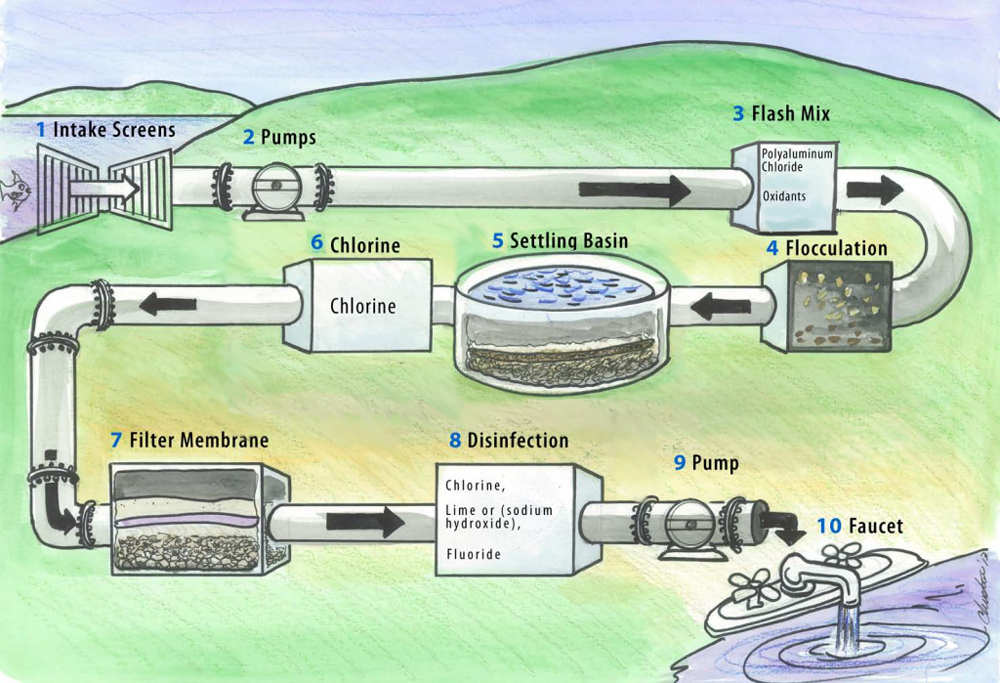
The future of water Technology will likely concentrate on incorporating fabricated knowledge and data analytics to optimize water distribution and use patterns. By taking advantage of real-time information, companies can forecast shortages and manage sources better. Sustainable techniques will certainly end up being a keystone of the sector, urging round economies where water is recycled and treated. Ultimately, the continued advancement of water Technology will be important in producing durable facilities efficient in fulfilling the challenges postured by climate adjustment and population development while advertising ecological stewardship.
Regularly Asked Concerns
What Are the Trick Metrics for Assessing Water Technology Startups?
Secret metrics for reviewing water Technology startups consist of market capacity, scalability, customer acquisition prices, profits development, technology advancement, regulative compliance, ecological effect, competitive advantage, and team knowledge, all critical for determining lasting feasibility and success.
Exactly How Can Individuals Support Water Technology Innovations?
Individuals can sustain water Technology advancements by purchasing start-ups, supporting for policy adjustments, taking part in area campaigns, sharing expertise concerning lasting methods, and promoting recognition of water issues via regional occasions and social media.
What Prevail Financing Resources for Water Tech Startups?
Common financing sources for water technology start-ups include equity capital, federal government grants, crowdfunding platforms, angel capitalists, and corporate collaborations. These financial opportunities assist assist in technology and development in sustainable water informative post administration innovations.

Which Industries Advantage Many From Water Technology Advancements?
Industries such as agriculture, power, production, and metropolitan solutions benefit substantially from water Technology advancements. These innovations boost water their explanation performance, reduce prices, and promote sustainable practices, inevitably adding to environmental conservation and source management.
Are There Any Type Of Regulative Difficulties Specific to Water Technology?
Yes, water Technology faces regulatory obstacles, consisting of compliance with environmental requirements, allowing processes, and differing regional guidelines. These intricacies can prevent technology and reduce the execution of new modern technologies in the water management market.
Water Technology start-ups are arising as vital players in the mission for sustainable remedies to global water problems. As global water scarcity heightens, the importance of water Technology comes to be increasingly evident. Others check out decentralized water therapy innovations, enabling areas to handle their water sources more successfully. An additional successful startup, No Mass Water, has created solar-powered hydropanels that extract water vapor from the air, providing lasting drinking water in arid regions. Their jobs have actually confirmed important in areas dealing with severe water shortages, showcasing the possibility of ingenious water technologies to produce long-term, favorable effects.